Your How to make fluid acrylic paint with water images are ready in this website. How to make fluid acrylic paint with water are a topic that is being searched for and liked by netizens now. You can Find and Download the How to make fluid acrylic paint with water files here. Find and Download all free vectors.
If you’re looking for how to make fluid acrylic paint with water images information connected with to the how to make fluid acrylic paint with water topic, you have come to the right site. Our site frequently gives you hints for seeing the maximum quality video and picture content, please kindly hunt and find more informative video content and graphics that fit your interests.
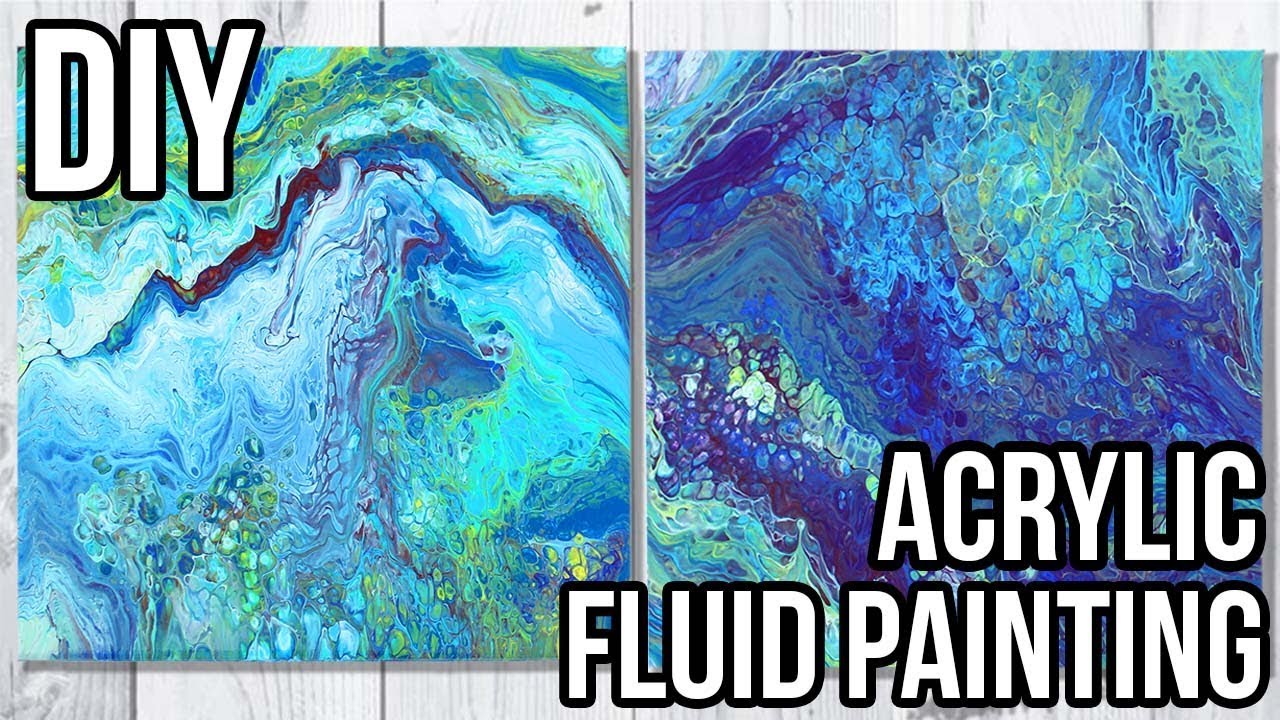
How To Make Fluid Acrylic Paint With Water. Fluid Painting Beginners Technique. Fill the remaining half of the bottle with equal parts water and acrylic medium eg glazing liquid also available at art supply stores. Put the paint mixture into the can or jar. Can I use water instead of gesso.
 Pin By Rosie Field On Acrylic Pouring Flow Painting Fluid Acrylic Painting Abstract Art Painting From pinterest.com
I keep several bottles of water around so I have plenty to mix in at any moment. Different thicknesses of paint produce different results. Ideally you want a container that is squeezable and has a nozzle for creating a fine. To begin I mix 12 Floetrol and 12 acrylic paint with a wooden stir stick. For thin watercolory drips mix your fluid acrylics Liquitex Flow-Aid Fluid Additive or Golden Wetting Agent. Experiment with your acrylic painting techniques and expand your knowledge of what you can do with acrylics.
Floetrol 2 parts Distilled water 1 part.
The viscosity of paint is the thickness of it. You can dilute heavy body acrylics with water until they flow like watercolors. Fluid acrylics are acrylic paints with a runny or thin consistency designed to flow and spread easily without sacrificing color intensity. A great way to paint the flow of water in rough conditions is to illustrate some of the major contours in the water. How To Paint Water With Acrylics. But it really is a case of experimentation and I cant emphasize enough how you should test out various combinations of colours and thickness of paint.
 Source: pinterest.com
Experiment with your acrylic painting techniques and expand your knowledge of what you can do with acrylics. Add the water slowly. Acrylic glazing is simply a thin blend of color. By using a minimum blend of 1 part acrylic medium to 10 parts water we essentially eliminated sensitivity to water or other acrylics even with highly sensitive pigments thinned at a 1100 ratio. Different thicknesses of paint produce different results.
 Source: pinterest.com
Choose a variety of colors to p. Fill the remaining half of the bottle with equal parts water and acrylic medium eg glazing liquid also available at art supply stores. A safe way to thin any ratio of paint to water. If you find that the liquid acrylic is too watery add some of the acrylic medium to give it more body. The viscosity of paint is the thickness of it.
 Source: pinterest.com
4 step process for painting water drops. Floetrol 2 parts Distilled water 1 part. Ideally you want a container that is squeezable and has a nozzle for creating a fine. Fluid acrylics are acrylic paints with a runny or thin consistency designed to flow and spread easily without sacrificing color intensity. Heavy body softbody fluid acrylic and craft paint.
 Source: pinterest.com
Fluid acrylics are ideal for pouring or dribbling paint rather than applying it with a brush. But it really is a case of experimentation and I cant emphasize enough how you should test out various combinations of colours and thickness of paint. A safe way to thin any ratio of paint to water. Fluid paint can be made by combining acrylic paint acrylic medium and water. It has a consistency similar to gesso so its easy to apply to the canvas with a brush.
 Source: pinterest.com
Blend and apply and what is great is you can add another layer of glaze without affecting the previous layer. Blend and apply and what is great is you can add another layer of glaze without affecting the previous layer. Acrylic glazing is simply a thin blend of color. A great way to paint the flow of water in rough conditions is to illustrate some of the major contours in the water. Hard water and tap water with mineral content will act differently and change the way paint floats so stick with distilled Silicone a few drops Acrylic paint 1 part You can find a walk-through demonstration of this recipe in the video below.
 Source: pinterest.com
You can just use water to dilute acrylics but remember you dont really want to use more than. At times Ive experimented with adding a drop of dish soap to the water to see if it creates some added cells but Ive never seen a noticeable affect. Ideally you want a container that is squeezable and has a nozzle for creating a fine. A safe way to thin any ratio of paint to water. Fill the remaining half of the bottle with equal parts water and acrylic medium eg glazing liquid also available at art supply stores.
 Source: ar.pinterest.com
If you find that the liquid acrylic is too watery add some of the acrylic medium to give it more body. Ideally you want a container that is squeezable and has a nozzle for creating a fine. Fill the remaining half of the container with equal parts water and acrylic medium. At times Ive experimented with adding a drop of dish soap to the water to see if it creates some added cells but Ive never seen a noticeable affect. For experimentation or for creating a few drips you can dilute your acrylics with water but be aware that the mediums listed above will produce better.
 Source: pinterest.com
Experiment with your acrylic painting techniques and expand your knowledge of what you can do with acrylics. 4 step process for painting water drops. By using a minimum blend of 1 part acrylic medium to 10 parts water we essentially eliminated sensitivity to water or other acrylics even with highly sensitive pigments thinned at a 1100 ratio. Be sure to keep this ratio of paint to wateracrylic. Fluid acrylics are ideal for pouring or dribbling paint rather than applying it with a brush.
 Source: pinterest.com
The viscosity of paint is the thickness of it. Blend and apply and what is great is you can add another layer of glaze without affecting the previous layer. For thin watercolory drips mix your fluid acrylics Liquitex Flow-Aid Fluid Additive or Golden Wetting Agent. 4 step process for painting water drops. But it really is a case of experimentation and I cant emphasize enough how you should test out various combinations of colours and thickness of paint.
 Source: pinterest.com
Keep repeating until thedesired consistency is achieved. You can dilute heavy body acrylics with water until they flow like watercolors. Blend and apply and what is great is you can add another layer of glaze without affecting the previous layer. The viscosity of paint is the thickness of it. Getting back to basics on this video.
 Source: pinterest.com
By using a minimum blend of 1 part acrylic medium to 10 parts water we essentially eliminated sensitivity to water or other acrylics even with highly sensitive pigments thinned at a 1100 ratio. Paint Ratios for Different Body Paints Heavy Soft Fluid Craft Acrylic paint comes in four main types. It has a consistency similar to gesso so its easy to apply to the canvas with a brush. For thin watercolory drips mix your fluid acrylics Liquitex Flow-Aid Fluid Additive or Golden Wetting Agent. Floetrol 2 parts Distilled water 1 part.
 Source: pinterest.com
Heavy body softbody fluid acrylic and craft paint. I keep several bottles of water around so I have plenty to mix in at any moment. The water is used to mix the acrylic paint and medium all the way down to a very fluid consistency. Hard water and tap water with mineral content will act differently and change the way paint floats so stick with distilled Silicone a few drops Acrylic paint 1 part You can find a walk-through demonstration of this recipe in the video below. Fluid acrylics are acrylic paints with a runny or thin consistency designed to flow and spread easily without sacrificing color intensity.
Source: pinterest.com
However its going to require a lot of water and this will make your colors look pale. Of water and stir well until the paint is well dissolved and consistent. If you dont have medium you can add more of your paint mixture. Experiment with your acrylic painting techniques and expand your knowledge of what you can do with acrylics. However its going to require a lot of water and this will make your colors look pale.
 Source: pinterest.com
Of water and stir well until the paint is well dissolved and consistent. Acrylic glazing is simply a thin blend of color. I stir this until smooth then add water and stir until the paint flows off of my stir stick when lifted up. A great way to paint the flow of water in rough conditions is to illustrate some of the major contours in the water. But it really is a case of experimentation and I cant emphasize enough how you should test out various combinations of colours and thickness of paint.
 Source: pinterest.com
Put the paint mixture into the can or jar. You can just use water to dilute acrylics but remember you dont really want to use more than. How To Paint Water With Acrylics. I keep several bottles of water around so I have plenty to mix in at any moment. 4 step process for painting water drops.
 Source: ar.pinterest.com
4 step process for painting water drops. The viscosity of paint is the thickness of it. Ideally you want a container that is squeezable and has a nozzle for creating a fine. While acrylic skins can be made with just about any GOLDEN Acrylic Medium Gel Paste or Paint our Fluid Acrylics work particularly well since the consistency allows for easy pouring and. If you dont have medium you can add more of your paint mixture.
 Source: pinterest.com
I keep several bottles of water around so I have plenty to mix in at any moment. Hard water and tap water with mineral content will act differently and change the way paint floats so stick with distilled Silicone a few drops Acrylic paint 1 part You can find a walk-through demonstration of this recipe in the video below. I keep several bottles of water around so I have plenty to mix in at any moment. Mixing acrylic paint with a higher amount of water makes it act like a watercolor paint and gives it more of a matte finish. The viscosity of paint is the thickness of it.
 Source: pinterest.com
Put the paint mixture into the can or jar. Getting back to basics on this video. If you dont have medium you can add more of your paint mixture. While acrylic skins can be made with just about any GOLDEN Acrylic Medium Gel Paste or Paint our Fluid Acrylics work particularly well since the consistency allows for easy pouring and. 4 step process for painting water drops.
This site is an open community for users to submit their favorite wallpapers on the internet, all images or pictures in this website are for personal wallpaper use only, it is stricly prohibited to use this wallpaper for commercial purposes, if you are the author and find this image is shared without your permission, please kindly raise a DMCA report to Us.
If you find this site convienient, please support us by sharing this posts to your preference social media accounts like Facebook, Instagram and so on or you can also bookmark this blog page with the title how to make fluid acrylic paint with water by using Ctrl + D for devices a laptop with a Windows operating system or Command + D for laptops with an Apple operating system. If you use a smartphone, you can also use the drawer menu of the browser you are using. Whether it’s a Windows, Mac, iOS or Android operating system, you will still be able to bookmark this website.


