Your How to seal a damp wall before painting images are ready. How to seal a damp wall before painting are a topic that is being searched for and liked by netizens today. You can Find and Download the How to seal a damp wall before painting files here. Download all royalty-free images.
If you’re searching for how to seal a damp wall before painting pictures information connected with to the how to seal a damp wall before painting interest, you have come to the ideal blog. Our website always gives you hints for seeking the highest quality video and picture content, please kindly surf and locate more informative video articles and images that fit your interests.
How To Seal A Damp Wall Before Painting. Does opening windows reduce damp. This means any old paint and coatings must be removed. Fix the source of the damp then let the wall fully dry out before painting it. For anything that remains prepare a mild detergent solution.
 How To Treat Damp Walls Before Painting My Green Home Blog From mygreenhomeblog.com
To take care of stains. Lightly brush the solution. Step-by-step guide Remove damp or mould stains. Extra steps to seal your damp walls before replastering. The area must then be free from mould fungi lichen and any. For anything that remains prepare a mild detergent solution.
Internal plaster should be 31 sand and lime with a mix of good clean sharp and fine sand.
Fix the source of the damp then let the wall fully dry out before painting it. The best ways to remove mould are to apply diluted bleach to the area with a soft brush or a cloth and this will kill the mould and wipe it away or to use hydrogen peroxide as the solution. Internal plaster should be 31 sand and lime with a mix of good clean sharp and fine sand. Does opening windows reduce damp. Once dry touch up. For anything that remains prepare a mild detergent solution.
 Source: home.onehowto.com
At this point you can. A wash with water and detergent will deal with the surface grime but if your wall is stained or you have mould on the wall youll need something a little stronger. Internal plaster should be 31 sand and lime with a mix of good clean sharp and fine sand. Extra steps to seal your damp walls before replastering. A good damp seal or.
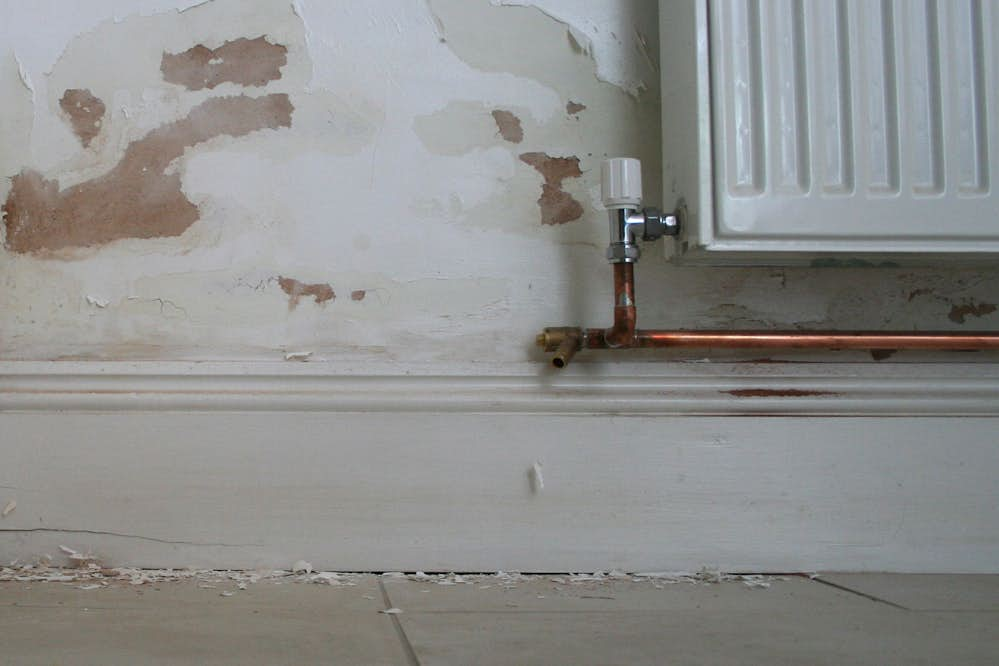 Source: safeguardeurope.com
If stain continues or spreads you. Stopping Water Marks and Stains. Lightly brush the solution. Apply chlorinated rubber paint to the stain. Once dry touch up.
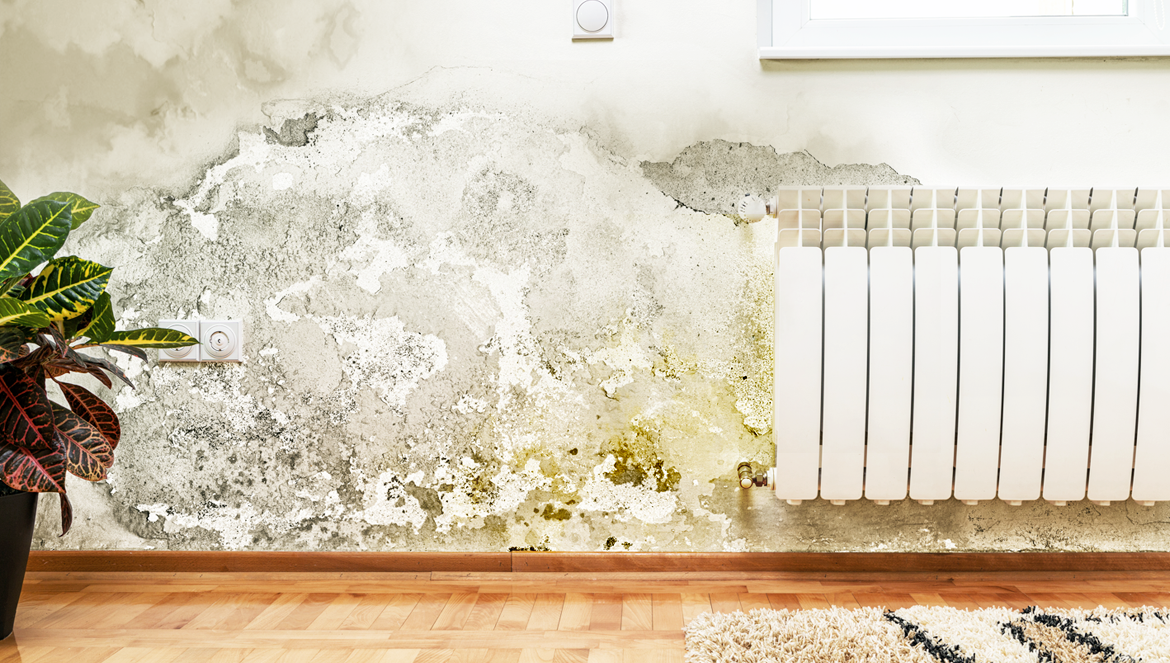 Source: bergerpaints.com
This means any old paint and coatings must be removed. Once dry touch up. Before the paint is applied the affected area must be clean. Ad Find Deals on Products in Paint Supplies on Amazon. Step-by-step guide Remove damp or mould stains.
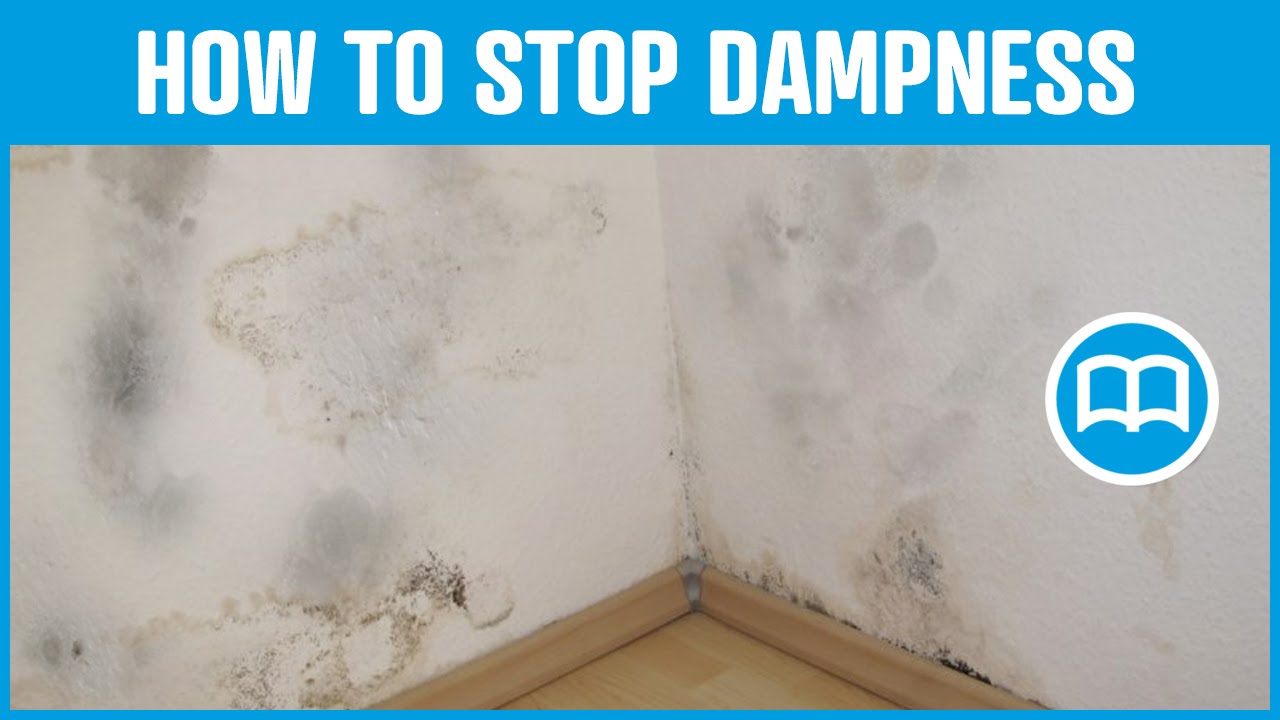 Source: youtube.com
Applying Damp Proof Paint. Ad Find Deals on Products in Paint Supplies on Amazon. The only way to stop the water mark discolouring the paint is to cover the stain with a stain blocker or. Apply chlorinated rubber paint to the stain. Mix 1 gallon of water with 1 tablespoon of liquid.
 Source: houseilove.com
Ad Find Deals on Products in Paint Supplies on Amazon. The best ways to remove mould are to apply diluted bleach to the area with a soft brush or a cloth and this will kill the mould and wipe it away or to use hydrogen peroxide as the solution. Step-by-step guide Remove damp or mould stains. A good damp seal or. Before the paint is applied the affected area must be clean.
 Source: home.onehowto.com
Use chlorinated rubber to continue the task of painting a damp wall. Does opening windows reduce damp. Stopping a damp stain or water mark on a ceiling can be very difficult. Use chlorinated rubber to continue the task of painting a damp wall. Extra steps to seal your damp walls before replastering.
Source: mygreenhomeblog.com
This is a great option for eradicating the problems of damp on the walls. Does opening windows reduce damp. If your damp is mild and is caused by inadequate ventilation then opening. A good damp seal or. If youre completely certain that anti-condensation anti-mould or waterproof paint is the right solution for your damp problem make sure that you completely strip back any materials affected.
 Source: homeserve.com
If stain continues or spreads you. At this point you can. Before the paint is applied the affected area must be clean. Mix 1 gallon of water with 1 tablespoon of liquid. Stopping a damp stain or water mark on a ceiling can be very difficult.
 Source: heritage-house.org
Use a plaster patch or waterproof. Wash the infected areas with a good damp remover spray and sponge to rid yourself of any. The water should now look like milk. Mix 1 gallon of water with 1 tablespoon of liquid. A wash with water and detergent will deal with the surface grime but if your wall is stained or you have mould on the wall youll need something a little stronger.
 Source: polycell.co.uk
Once the surface is free of mould and dry it can be painted with a damp seal or stain blocker paint which will ensure that the staining does not bleed through the emulsion once completed. Repair cracks and holes. Lightly brush the solution. If your damp is mild and is caused by inadequate ventilation then opening. Step-by-step guide Remove damp or mould stains.
 Source: youtube.com
Once the surface is free of mould and dry it can be painted with a damp seal or stain blocker paint which will ensure that the staining does not bleed through the emulsion once completed. Stopping a damp stain or water mark on a ceiling can be very difficult. Extra steps to seal your damp walls before replastering. Wet the clean wall down before you apply a scratch coat little is more with lime render so dont try to. Use chlorinated rubber to continue the task of painting a damp wall.
 Source: permagard.co.uk
Scrub any signs of root fragments and tendrils from the surface using a nylon scrub brush. At this point you can. Mix 1 gallon of water with 1 tablespoon of liquid. Fix the source of the damp then let the wall fully dry out before painting it. If stain continues or spreads you.
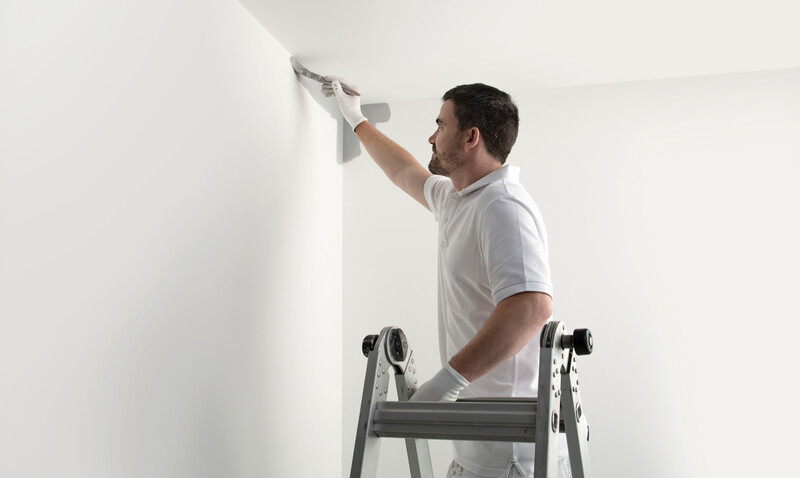 Source: duluxdecoratorcentre.co.uk
Tape a 200mm square piece of aluminium foil to the wall making sure you seal it all around and then leave it for a day or two. To take care of stains. The area must then be free from mould fungi lichen and any. A wash with water and detergent will deal with the surface grime but if your wall is stained or you have mould on the wall youll need something a little stronger. Once you have completely removed the causes of damp and sealed the walls from excess moisture you are free to replaster.
 Source: mygreenhomeblog.com
This means any old paint and coatings must be removed. Extra steps to seal your damp walls before replastering. To take care of stains. Wash the infected areas with a good damp remover spray and sponge to rid yourself of any. Scrub any signs of root fragments and tendrils from the surface using a nylon scrub brush.
 Source: rawlinspaints.com
Tape a 200mm square piece of aluminium foil to the wall making sure you seal it all around and then leave it for a day or two. At this point you can. Use a plaster patch or waterproof. Stopping a damp stain or water mark on a ceiling can be very difficult. Ad Find Deals on Products in Paint Supplies on Amazon.
 Source: duraconeng.com
Ad Protect Your Brick Concrete Wood More From Water Damage. This is a great option for eradicating the problems of damp on the walls. If youre completely certain that anti-condensation anti-mould or waterproof paint is the right solution for your damp problem make sure that you completely strip back any materials affected. Stopping a damp stain or water mark on a ceiling can be very difficult. Once you have completely removed the causes of damp and sealed the walls from excess moisture you are free to replaster.
 Source: neverpaintagain.co.uk
For anything that remains prepare a mild detergent solution. Scrub any signs of root fragments and tendrils from the surface using a nylon scrub brush. Once the surface is free of mould and dry it can be painted with a damp seal or stain blocker paint which will ensure that the staining does not bleed through the emulsion once completed. Before the paint is applied the affected area must be clean. Internal plaster should be 31 sand and lime with a mix of good clean sharp and fine sand.
 Source: youtube.com
The area must then be free from mould fungi lichen and any. Use a plaster patch or waterproof. This is a great option for eradicating the problems of damp on the walls. At this point you can. Use chlorinated rubber to continue the task of painting a damp wall.
This site is an open community for users to submit their favorite wallpapers on the internet, all images or pictures in this website are for personal wallpaper use only, it is stricly prohibited to use this wallpaper for commercial purposes, if you are the author and find this image is shared without your permission, please kindly raise a DMCA report to Us.
If you find this site good, please support us by sharing this posts to your preference social media accounts like Facebook, Instagram and so on or you can also bookmark this blog page with the title how to seal a damp wall before painting by using Ctrl + D for devices a laptop with a Windows operating system or Command + D for laptops with an Apple operating system. If you use a smartphone, you can also use the drawer menu of the browser you are using. Whether it’s a Windows, Mac, iOS or Android operating system, you will still be able to bookmark this website.


